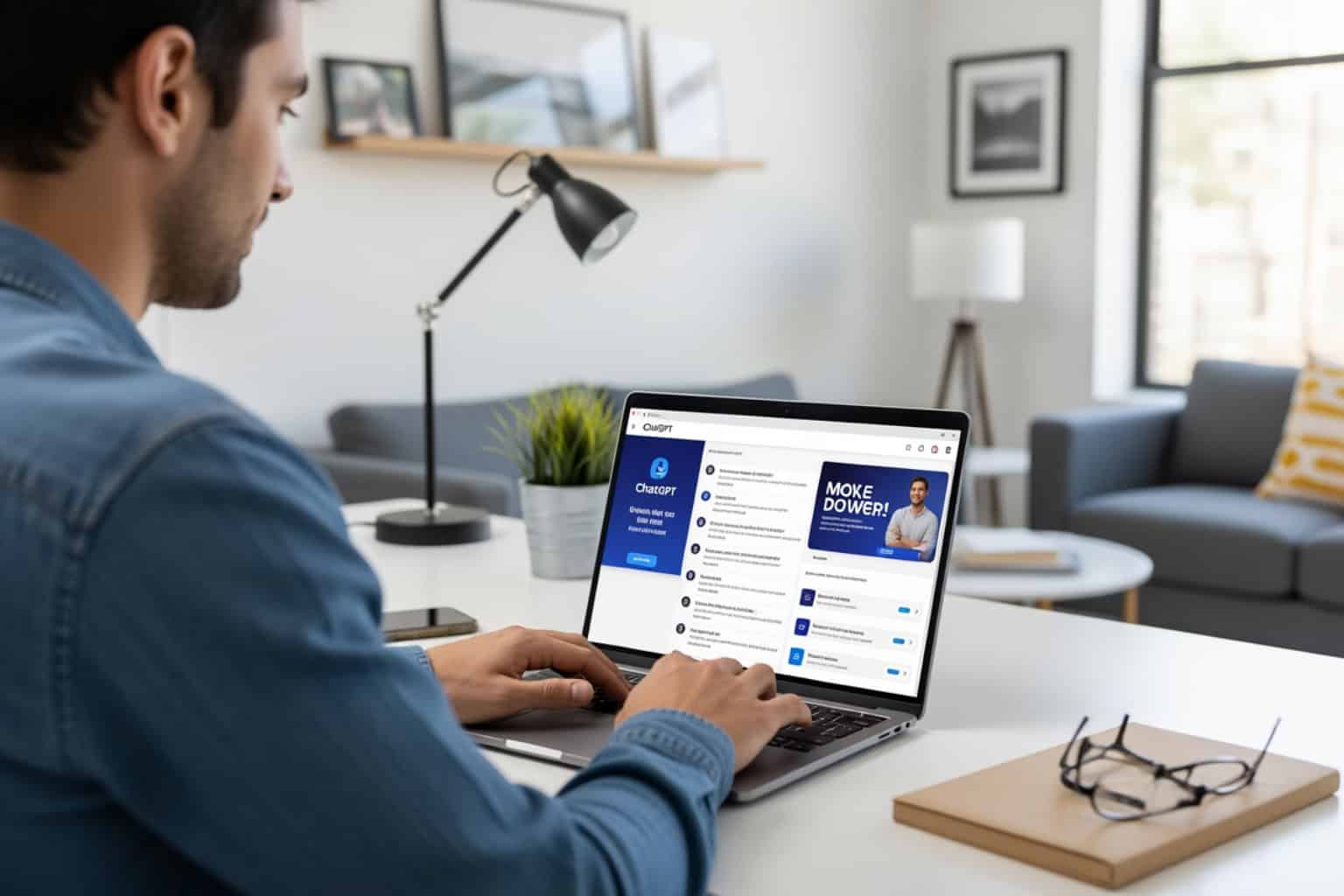
ChatGPT ads are now available to users in the United States and several other countries, marking a major shift in how AI platforms generate revenue. Here’s a quick summary:
- Who sees ads: Logged-in adult users on the Free and Go tiers
- Who does NOT see ads: Plus, Pro, Business, Enterprise, and Education subscribers
- Where ads appear: Below ChatGPT’s responses, clearly labeled as sponsored
- Countries currently live: United States, Australia, New Zealand, and Canada
- Self-serve access: Beta Ads Manager launched May 5, 2026 at ads.openai.com
- Do ads affect ChatGPT’s answers? No — responses remain fully independent
OpenAI spent years saying it didn’t want to put ads inside ChatGPT. Then, in early 2026, it did exactly that — quietly launching a pilot program to help fund the infrastructure behind its free tier. The idea is straightforward: ads support free access without changing how ChatGPT answers your questions.
For small business owners, this matters. ChatGPT now reaches over 900 million weekly active users. That’s a massive, high-intent audience actively exploring options and making decisions — not just passively scrolling a feed.
I’m Rob Dietz, a digital marketing consultant with 18+ years of experience managing paid advertising campaigns across Google, Meta, and now emerging AI platforms like ChatGPT. Helping business owners cut through the noise around chatgpt ads now available — and decide what’s actually worth their time and budget — is exactly what I do.
How ChatGPT Ads Now Available Work for Advertisers
The introduction of advertising into the world’s most popular AI chatbot isn’t just a “Google clone.” It’s something entirely different. When we talk about how chatgpt ads now available function, we have to look at the concept of “AI-native” advertising.
Unlike traditional search engines, where you type a keyword and get a list of links, ChatGPT understands the full context of your conversation. If you’re chatting about planning a backyard barbecue and you ask for a dry rub recipe, the ad that appears isn’t just triggered by the word “barbecue.” It’s informed by the fact that you’re looking for ingredients right now.
Contextual Signals and Relevance
OpenAI uses what they call “richer context signals.” This means the ad system looks at the current topic, your past chats (if you haven’t opted out), and even your “Memory” settings to decide which ad is most useful. This creates a much more seamless experience. You might see a sponsored card for a local grocery delivery service or a specific spice brand right beneath the recipe the AI just gave you.
Maintaining Answer Independence
One of our biggest concerns as marketers—and certainly a concern for users—was whether money would “buy” the AI’s opinion. OpenAI has been very clear: ads do not influence the actual text generated by ChatGPT. The AI’s answer is generated first, based on what is most helpful to the user. The ad is then placed in a separate visual container below that response. It is clearly labeled as “Sponsored” or “Ad” to ensure there is no confusion.
This separation is vital for maintaining trust. If the AI started telling you that a specific brand of lawnmower was the “best in the world” simply because that brand paid for an ad, the platform’s utility would tank. By keeping the ads separate, OpenAI protects the integrity of the information while still providing a path for businesses to reach customers. For more on how to position your brand for these types of answers, check out our guide on Optimizing Content for AI Search Answers.
Accessing the Self-Serve Ads Manager
For the first few months, ChatGPT ads were a bit of an “exclusive club.” You needed a massive budget and a direct line to OpenAI’s sales team. However, as of May 2026, the doors have swung open.
The beta launch of the self-serve Ads Manager at ads.openai.com is a game-changer for U.S. advertisers. We can now log in, register our business, and start building campaigns directly. This platform allows us to:
- Set daily and total campaign budgets.
- Upload creative assets (like product images and descriptions).
- Target specific audiences based on intent and geography.
- Monitor performance in real-time.
This shift toward self-service means that local businesses in our community can now compete on the same stage as national brands. You no longer need a six-figure “entry fee” to get your message in front of ChatGPT users. You can read more about this transition in OpenAI’s official announcement on New ways to buy ChatGPT ads.
Bidding Models and ChatGPT Ads Now Available
When the pilot first launched, the only way to pay for ads was through a CPM (cost-per-thousand impressions) model. This was great for big brands looking for “awareness,” but not as helpful for local businesses looking for actual leads.
With the latest updates, OpenAI has introduced CPC (cost-per-click) bidding. This is a massive win for performance-based marketing. Now, we can bid on specific user actions. Because ChatGPT conversations are often “decision-oriented”—meaning the user is actively trying to solve a problem or make a purchase—a click carries a lot of weight.
We’ve found that these intent signals are often stronger than what you find on social media. On social, people are browsing; on ChatGPT, they are doing. By aligning our bidding strategies with these high-intent moments, we can drive much higher ROI for our clients. If you’re looking for tips on how to handle this new landscape, our Ultimate Guide to ChatGPT Generative SEO Tips is a great place to start.
User Experience and Privacy Safeguards
Let’s be honest: nobody “loves” ads. But we do love free stuff. To keep ChatGPT free for hundreds of millions of people, ads are the trade-off. However, OpenAI has built in several safeguards to make sure the experience doesn’t become annoying or intrusive.
Protecting Your Privacy
One of the most frequent questions we get is: “Is OpenAI selling my private conversations to advertisers?” The answer is a firm no.
Advertisers do not get to see your chat history. They don’t get a transcript of your conversation. Instead, OpenAI provides “aggregated reporting.” We can see how many people clicked an ad or how many people saw it, but we have no way of identifying who those people are or what exactly they said to the AI. This privacy-first approach is central to OpenAI’s approach to advertising and expanding access to ChatGPT.
Sensitive Topic Exclusions
OpenAI has also implemented “guardrails” for certain topics. You won’t see ads popping up when you’re discussing sensitive subjects like:
- Health and medical advice
- Mental health support
- Political campaigning
- Content directed at minors (users under 18)
This ensures that the advertising remains helpful and commercial rather than predatory or inappropriate. It’s about being a “helpful assistant,” not a “pushy salesman.”
Managing Your ChatGPT Ads Now Available Experience
Users have a surprising amount of control over their ad experience. If you’re a user who absolutely loathes ads, there are several ways to manage them:
- Paid Tiers: If you subscribe to Plus, Pro, Business, or Enterprise, your experience remains 100% ad-free.
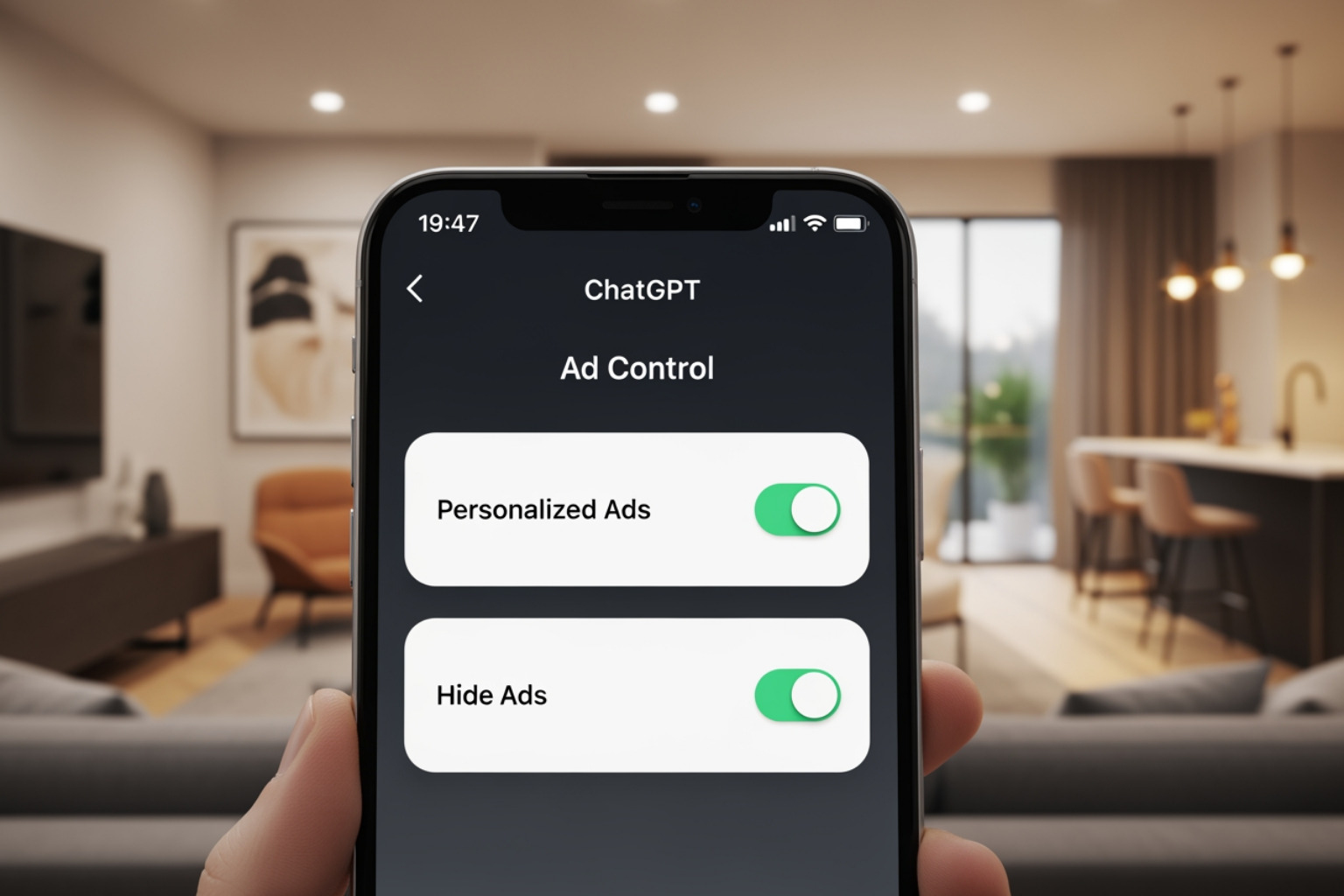
- Personalization Toggle: Within the “Ad Controls” section of your settings, you can turn off personalized ads. This means OpenAI won’t use your past conversations to target ads to you.
- Feedback Tools: Every ad has a three-dot menu. You can hide an ad, report it if it’s irrelevant or offensive, or even ask ChatGPT why you’re seeing that specific ad.
- Ads-Free Option for Free Users: In some regions, OpenAI is testing an “Ads-Free” version of the Free tier that comes with lower usage limits but removes the sponsored content.
For a deeper dive into these user controls, check out our article on ChatGPT Ads: Where We Are Now and What’s Coming Next.
The Evolution of Generative Engine Optimization (GEO)
The arrival of chatgpt ads now available has forced us to rethink SEO entirely. We are moving away from traditional “Search Engine Optimization” and toward Generative Engine Optimization (GEO).
In the old days (meaning, like, three years ago), we optimized for “robots.” We wanted Google’s crawlers to find our keywords. Today, we are optimizing for Genies. We want AI models to understand our business’s value proposition so they can recommend us in a conversation.
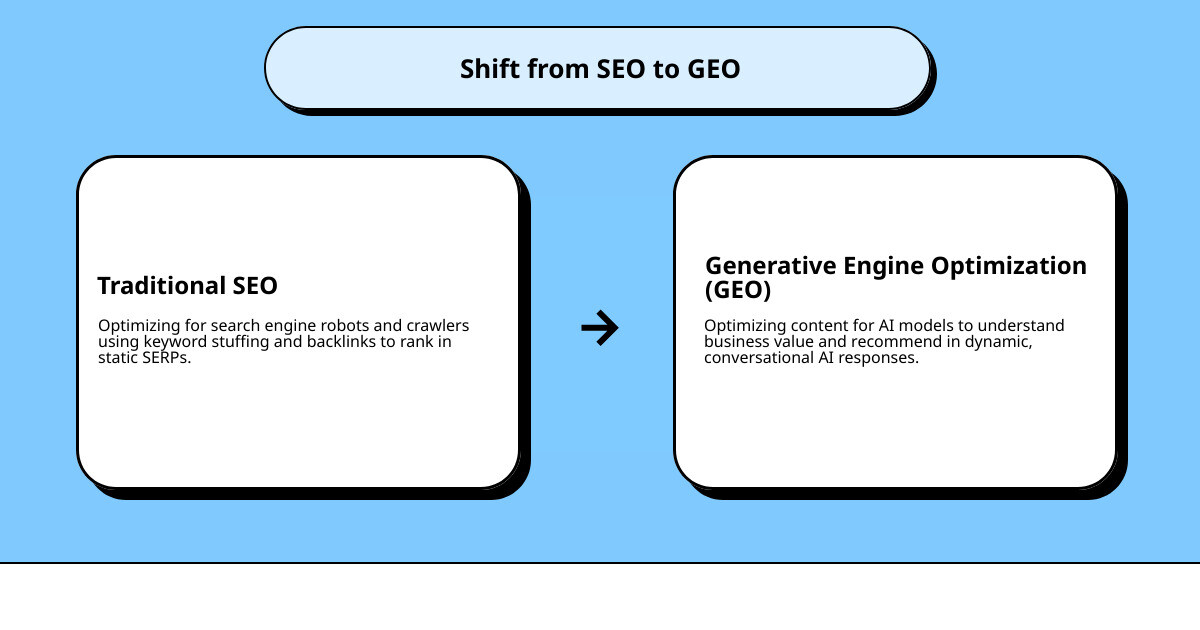
SEO vs. PPC in the AI Era
The line between “organic” and “paid” is blurring. In a traditional Google search, you have the ads at the top and the blue links at the bottom. In ChatGPT, you have the AI’s answer (Organic/GEO) and the sponsored card (PPC).
To win in 2026, you need both. A good SEO campaign still takes about 12 to 18 months to truly dominate the organic AI “citations,” but ChatGPT ads allow you to “jump the line” and appear in those high-intent conversations immediately. This is why we tell our clients that the Rise of Generative AI SEO Services is the most significant shift in marketing since the invention of the smartphone.
Global Availability and Future Expansion
While the pilot started small, it is expanding rapidly. As of May 2026, the rollout has reached several key markets. Here is a breakdown of where chatgpt ads now available stands today:
| Country | Status | Features Available |
|---|---|---|
| United States | Live | Self-Serve Ads Manager, CPC & CPM Bidding |
| Australia | Live | Pilot Access, Direct Sales & Partners |
| Canada | Live | Pilot Access, Direct Sales & Partners |
| New Zealand | Live | Pilot Access, Direct Sales & Partners |
| United Kingdom | Expanding | Beta Testing Starting Soon |
| Japan | Expanding | Localization in Progress |
| Mexico / Brazil | Planned | Late 2026 Rollout |
This global expansion is particularly exciting for local service businesses. Whether you’re a plumber in Monroe or a boutique shop in Sydney, the ability to reach users exactly when they are asking for help is an incredible opportunity. In fact, ChatGPT ads are now open to local service businesses in a way that was previously impossible.
Frequently Asked Questions about ChatGPT Ads
Which subscription tiers include ads?
Currently, ads only appear for users on the Free and Go tiers. If you are a paying subscriber for Plus, Pro, Business, Enterprise, or Education, you will not see ads. Additionally, OpenAI has a strict policy against showing ads to users under the age of 18. You can find more details on this in our breakdown of ChatGPT Ads: Where We Are Now and What’s Coming Next.
Do ads influence ChatGPT’s answers?
This is the most important thing to remember: No. OpenAI uses a “wall” between the ad system and the answer system. The AI generates its response based on its training data and the most helpful information it can find. The ad is then selected based on the context of that answer, but it does not change the text of the answer itself. This visual separation is key to OpenAI’s mission of providing unbiased, helpful information.
How do ChatGPT ads compare to Google AI Overviews?
While both involve AI, the formats are different. Google’s AI Overviews often place ads within or above the summary, drawing from their existing search inventory. ChatGPT ads are more “conversational.” They appear at the natural end of a response, almost like a “Next Step” or a “Resource” for the user. ChatGPT ads also leverage a much deeper understanding of the ongoing conversation, whereas Google is still very much focused on the specific query you just typed.
Conclusion
The fact that chatgpt ads now available is no longer a rumor but a reality means the digital marketing landscape has changed forever. We are no longer just fighting for “keywords”; we are fighting for “conversations.”
At Dietz Group, we’ve spent nearly two decades helping businesses navigate these kinds of shifts. From the early days of Google Ads to the current frontier of Generative Engine Optimization, our focus has always been on high-ROI strategies that put your business in front of high-intent customers.
Success in this new era doesn’t happen overnight. A solid SEO and GEO strategy typically takes 12 to 18 months to bear full fruit, but the addition of ChatGPT ads provides a powerful way to get immediate visibility. If you’re ready to dominate the AI answer engine and grow your local presence, we’re here to help.
Ready to take the next step? Contact us today to see how we can integrate AI-native advertising into your current marketing mix. The future of search is conversational—make sure your business is part of the chat.