Why “Near Me” Searches Are a Local Business Game-Changer
If you want to optimize for near me searches, here’s what actually moves the needle:
- Claim and complete your Google Business Profile — accurate name, address, phone, hours, photos, and categories
- Keep your NAP consistent across every directory and listing online
- Create location + service pages on your website targeting “[service] in [city]”
- Collect and respond to reviews consistently — recency and volume both matter
- Add LocalBusiness schema markup so Google clearly understands what you do and where
- Optimize for mobile — fast load times, click-to-call buttons, and clean design
- Write conversational FAQ content to capture voice and AI-driven local queries
These are the core levers. The rest of this guide explains exactly how to pull each one.
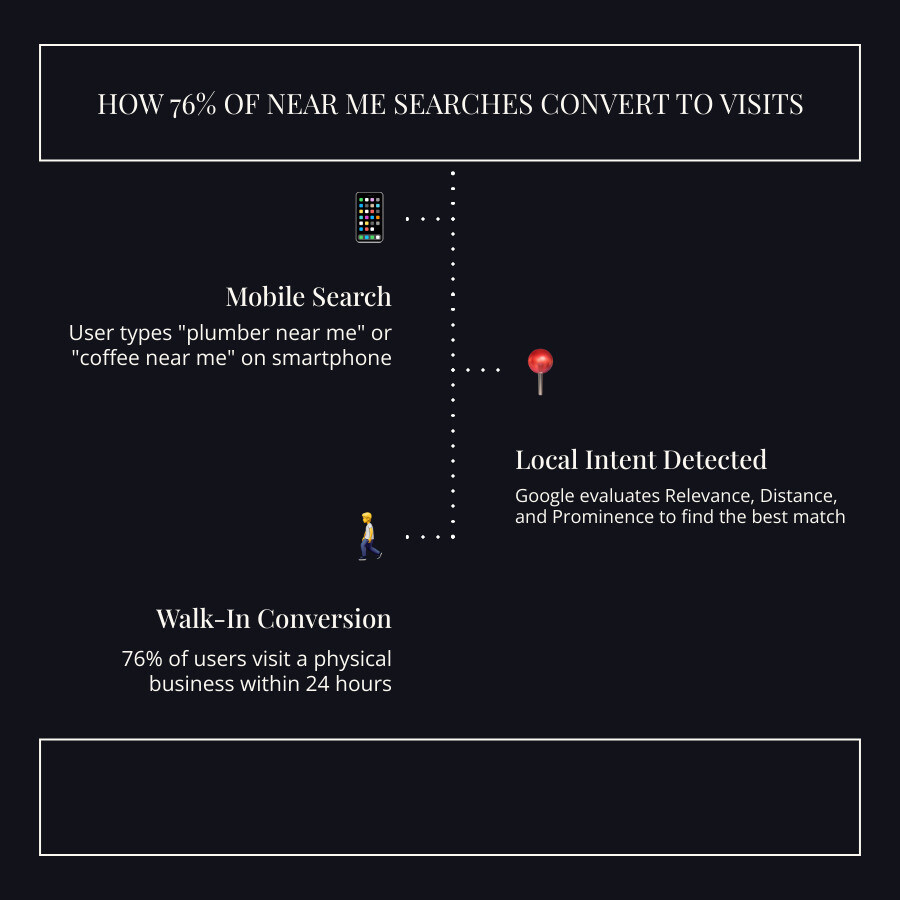
Someone in your area pulls out their phone right now and types “plumber near me” or “best coffee shop near me.” Within 24 hours, 76% of people who run that kind of search will walk into a local business. The question is: will it be yours?
“Near me” searches aren’t a trend anymore. They’re the default way people find local businesses. Over 46% of all Google searches carry local intent, and the phrase “near me” has grown by more than 900% in recent years. That growth has only accelerated as smartphones became the primary way most people access the internet.
And it’s not just Google anymore. AI tools like ChatGPT and Google’s AI Overviews are now answering local queries directly — and business websites make up 58% of the results ChatGPT returns for prompts with local intent.
The businesses that show up consistently in those results aren’t there by accident. They’ve built a foundation of accurate information, strong reviews, and locally relevant content that signals to both Google and AI engines: “This is the right business, in the right place, for this person.”
I’m Rob Dietz, a digital marketing consultant with over 18 years of experience helping local businesses grow their online visibility — including helping business owners optimize for near me searches through smart local SEO strategy and Google Business Profile management. This guide gives you a practical, no-fluff roadmap to do exactly that.
Why Proximity Matters: The Mechanics of Local Intent
In local SEO, proximity is king. When a user searches for something “near me,” Google isn’t just looking for keywords; it’s looking for the most helpful, physically accessible solution for that user’s immediate problem. This is driven by three main pillars: Relevance, Distance, and Prominence.
- Relevance: How well does your business match what the user is looking for?
- Distance: How far is your business from the user’s current GPS or IP location?
- Prominence: How well-known or trusted is your business (based on reviews, links, and citations)?
Since May 2026, Google has shifted heavily toward treating “near me” as a proximity indicator rather than just a phrase to match. This means that even if a user doesn’t type the words “near me,” Google uses device signals to provide local results. With 91% of Americans owning a smartphone and spending over 4.5 hours on them daily, mobile-first indexing is no longer optional—it’s the baseline.
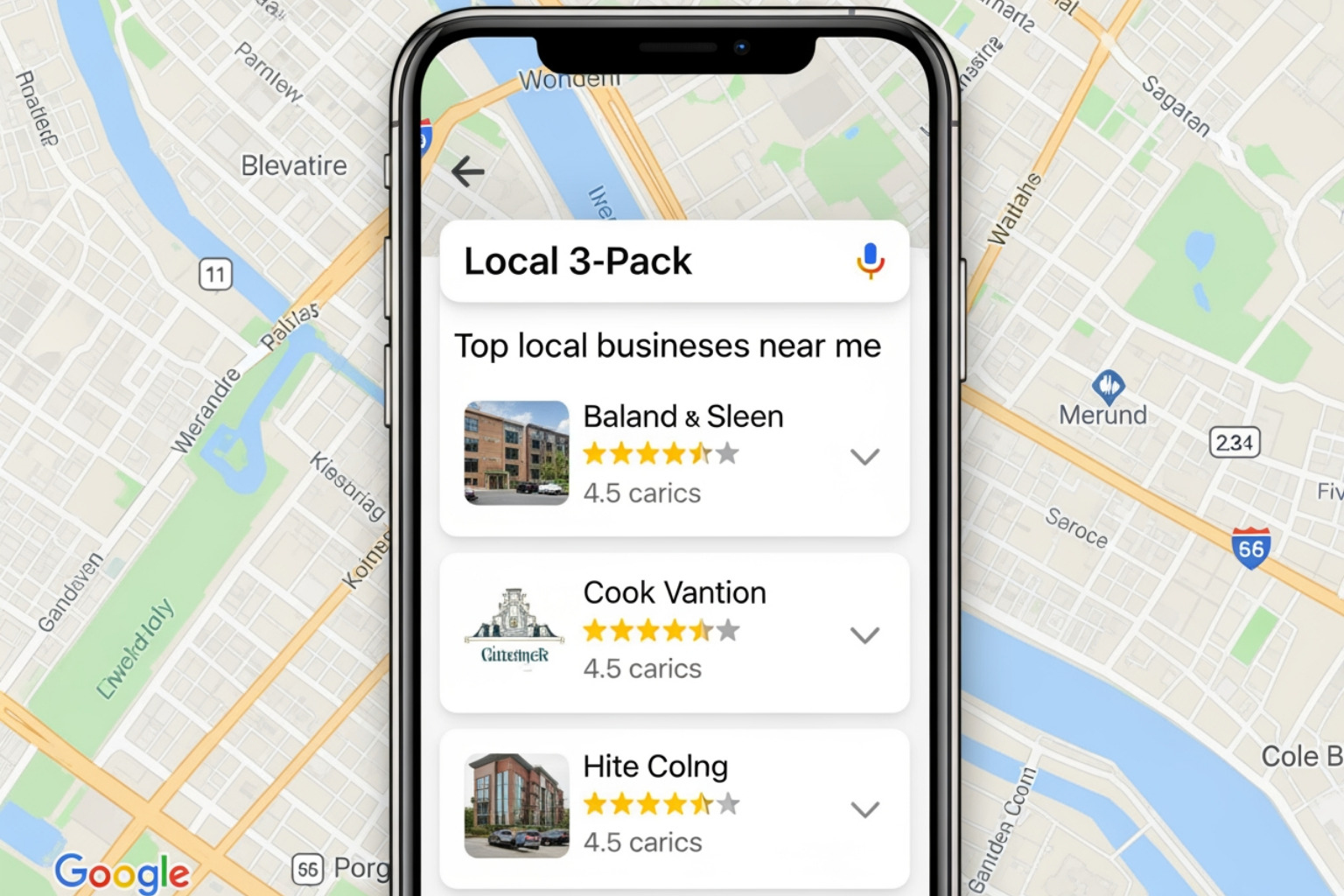
Transactional behavior is at an all-time high. When someone searches for “emergency roofing near me,” they aren’t looking for a blog post; they are looking for a phone number to call right now. To win these moments, your business must appear in the coveted Google Local 3-Pack.
Understanding the Shift to AI Answers
The landscape of search is changing with the rise of Generative Engine Optimization (GEO). We are moving away from a simple list of links toward AI-generated answers. Tools like ChatGPT and Google Gemini now aggregate data from across the web to provide a single, conversational recommendation.
When a user asks an AI assistant, “Where is the best place to get a transmission flush near me?”, the AI looks for “unbranded” queries—meaning it focuses on the service rather than a specific brand name. To capture this traffic, your website must be optimized for conversational search. You can learn more about navigating this shift in The Ultimate Guide to ChatGPT Generative SEO Tips.
How to Optimize for Near Me Searches via Google Business Profile
Your Google Business Profile (GBP) is the most powerful tool in your local SEO arsenal. It functions as a mini-website that feeds directly into Google Maps and local search results. If you haven’t yet, you need to learn How to Get a Google Business Profile and verify it immediately.
To truly optimize for near me searches, you must go beyond the basics:
- Choose the Right Categories: Your primary category should be your exact service (e.g., “HVAC Contractor” rather than just “Contractor”).
- Set Accurate Hours: This includes holiday hours and special event times. Nothing kills prominence faster than a customer showing up to a “closed” sign when your profile said you were open.
- Define Your Service Area: If you don’t have a physical storefront but visit customers at their locations, accurately marking your service radius is critical for proximity signals.
For a deeper dive into these settings, check out our 3 Tips to Optimize Your Google Business Profile.
Leveraging Visual Content for Prominence
Prominence isn’t just about text; it’s about engagement. Google tracks how often users interact with your profile. High-quality images and video updates are essential for building trust and signaling that your business is active.
Businesses that regularly upload fresh photos—showing the team, the storefront, and the work being performed—see significantly higher engagement. For retail businesses, adding in-store products directly to the profile can also trigger “near me” results for specific item searches. These engagement signals tell Google your business is a popular, reliable choice for locals.
On-Page SEO and Hyperlocal Content Strategies
While your Google Business Profile handles the Maps side of things, your website handles the organic side. To rank for proximity queries, you need to create hyperlocal content. This means building dedicated Local SEO Services for Small Businesses pages that target “[Service] in [City]” keywords.
A common mistake is trying to “trick” the system by stuffing “near me” into every paragraph. Instead, use natural language. Mention local landmarks, neighborhoods, and community events. Embedding a Google Map on your contact page also provides a strong signal of your physical location.
For more advanced tactics, we recommend The Advanced Playbook for “Near Me / Near You” Local SEO, which explains how to balance user intent with search engine requirements.
Technical Tactics to Optimize for Near Me Searches
Technical SEO ensures that search engines can actually read your location data. The most important tool here is LocalBusiness Schema Markup. This is a piece of code that tells search engines exactly what your address, phone number, and business hours are in a structured format they can’t misinterpret.
Other technical factors include:
- Mobile Responsiveness: Since most “near me” searches happen on the go, your site must load perfectly on a phone.
- Page Speed: Users searching for local services are often in a hurry. If your site takes more than three seconds to load, they will bounce back to the search results and click on your competitor.
The Role of Reviews and NAP Consistency in 2026
Reviews are the “social proof” that Google uses to determine prominence. It’s not just about having a 5-star rating; review velocity (how often you get new reviews) and response strategy (how you interact with them) are equally important.
Research shows that 91% of consumers read reviews before visiting a local business, and 65% are more likely to choose a business that responds to feedback—even the negative kind! Responding to reviews shows you value customer experience, which Google rewards with higher visibility. Discover why Why Google Reviews Are Your SEO Secret Weapon to understand the impact on your rankings.
Maintaining Data Integrity Across the Web
NAP consistency stands for Name, Address, and Phone number. It sounds simple, but it’s one of the most common places businesses fail. If your address is listed as “123 Main St” on your website but “123 Main Street” on a directory, it can confuse search algorithms and dilute your local authority.
Maintaining a clean citation profile across major directories and industry-specific listings is vital for building “entity trust.” In the age of AI, search engines need to be 100% confident that your data is accurate before they recommend you to a user. Read more on What is NAP and Why It’s Critical for Local SEO in the Age of AI.
Future-Proofing: GEO and Voice Search Optimization
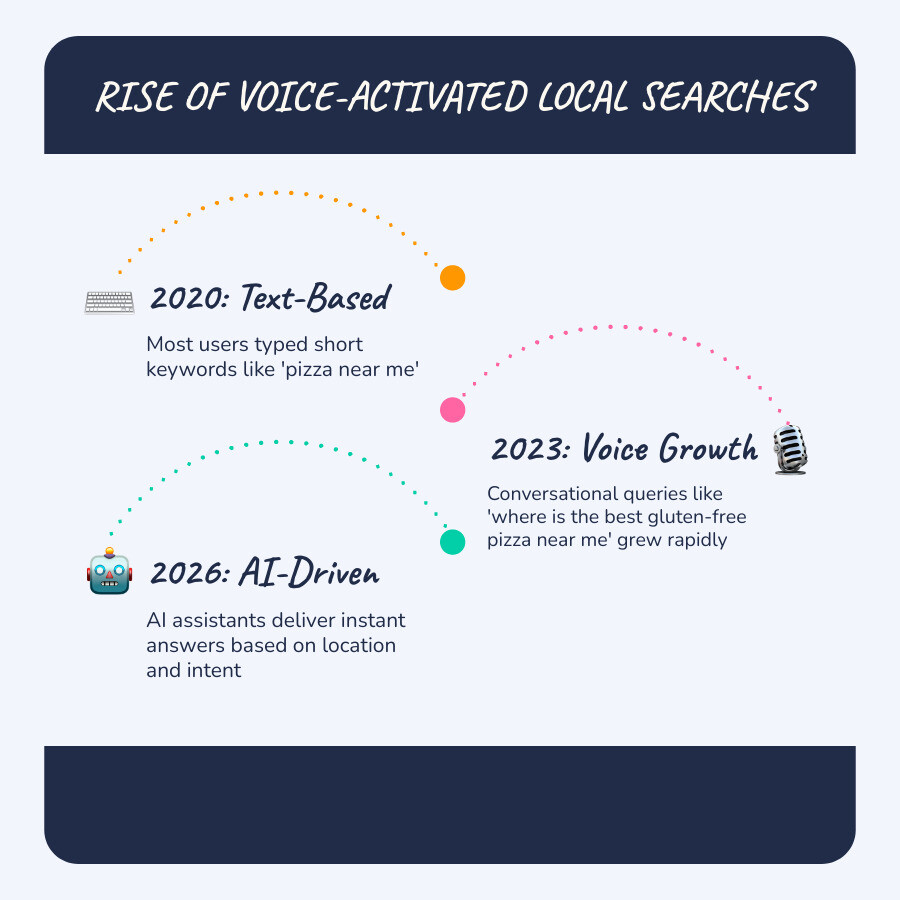
As we look toward the future, Generative Engine Optimization (GEO) and voice search are becoming the primary ways people interact with local data. Voice search queries are naturally more conversational. Instead of typing “pizza Monroe NC,” a user might say, “Siri, where is the best gluten-free pizza near me that’s open now?”
To win in this environment, you need to optimize for Search Everywhere Optimization. This involves creating FAQ blocks that answer common local questions in a concise, natural way. If your website provides the most direct answer, AI assistants are more likely to read your business information aloud as the top result.
For a deeper look at proximity-based strategies, see “Near Me” SEO: Optimization Strategies for Proximity Searches – HigherVisibility.
Using AI to Optimize for Near Me Searches
AI isn’t just changing how people search; it’s changing how we optimize for near me searches. Predictive search algorithms now look at past behavior to suggest businesses before a user even finishes typing. By focusing on conversational intent and long-tail queries (like “emergency 24-hour plumber for burst pipes”), you can capture high-intent traffic that generic keywords miss.
Measuring Success and the 12-18 Month Timeline
Local SEO is a marathon, not a sprint. While some technical fixes can provide a quick lift, a truly dominant local SEO campaign typically takes 12-18 months to reach full maturity. This is because building prominence and authority takes time—you have to earn those reviews and backlinks.
When measuring success, don’t just look at rankings. Look at:
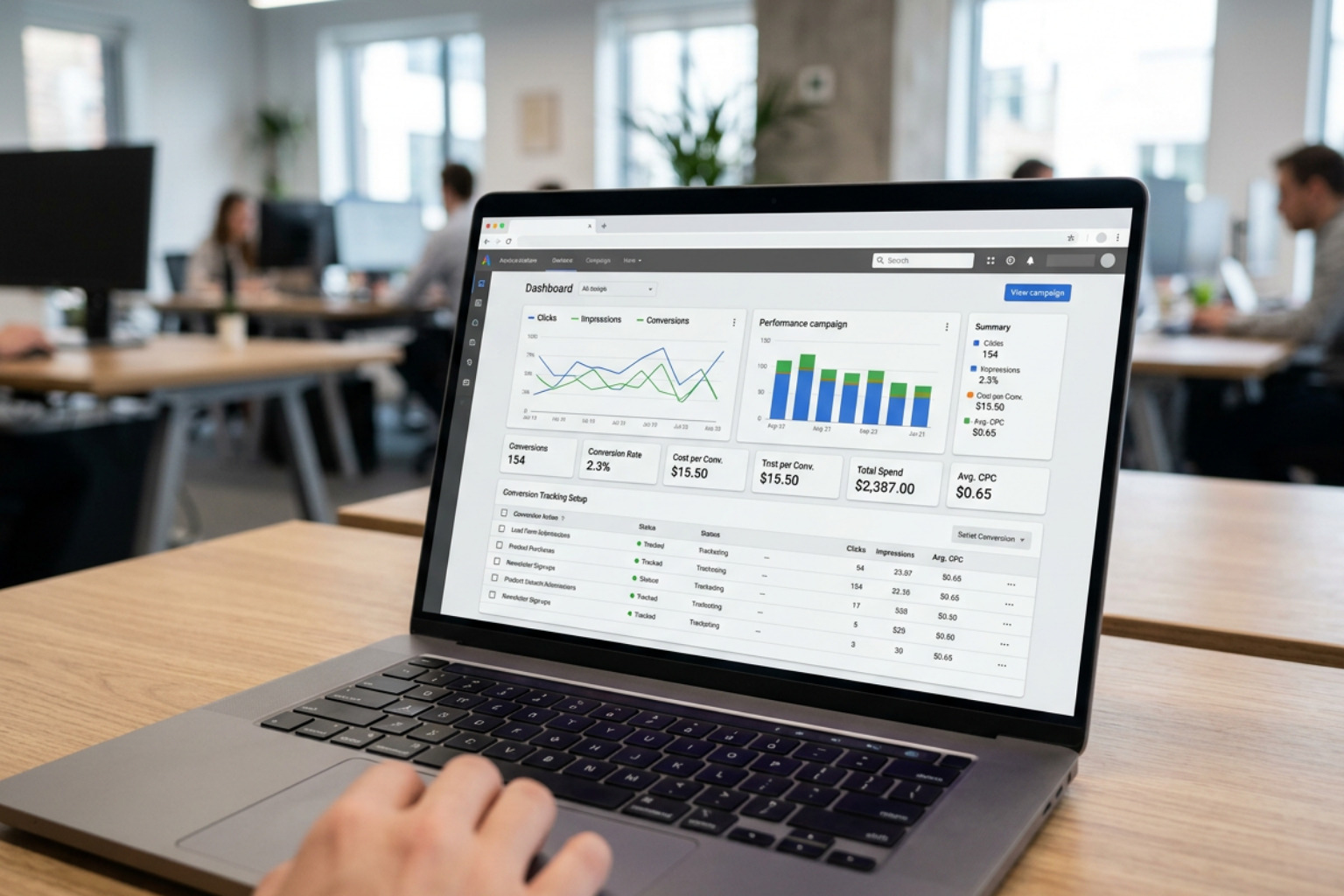
- Conversion Tracking: How many people are filling out your contact forms?
- Direction Requests: How many people are asking for a map to your location?
- Click-to-Call: How many mobile users are hitting that call button?
While PPC (Pay-Per-Click) advertising can provide immediate traffic, local SEO provides a much higher long-term ROI by building a “local engine” that works for you 24/7 without a per-click cost.
Frequently Asked Questions about Local SEO
Should I use “near me” or “near you” in my website content?
We generally recommend using “near you” or natural location modifiers (like your city name). While “near me” is what users type, “near you” reads more naturally for a human audience and provides the same proximity signals to Google. Brand optics matter; you don’t want your website to look like it was written by a robot!
How does voice search impact my local rankings?
Voice search favors businesses with high prominence and clear, conversational content. Because voice assistants usually only provide one “best” answer, being in the top spot is more critical than ever. FAQ sections that mirror how people speak are your best bet for capturing these spoken answers.
Why is NAP consistency still important in the age of AI?
AI models like ChatGPT rely on “entity trust.” They verify your business information across multiple sources. If your data is inconsistent, the AI may view your business as less reliable and choose to recommend a competitor with verified, consistent data instead.
Conclusion
At Dietz Group, we’ve spent over 18 years mastering the art of local discovery. We combine high-ROI strategies with the latest AI technology to ensure our clients don’t just show up—they dominate. Whether it’s through our Google Business Profile Management Services or comprehensive GEO strategies, our goal is to turn “near me” searches into long-term customers for your business.
Ready to take your local visibility to the next level? Let’s build a strategy that puts you exactly where your customers are looking.